
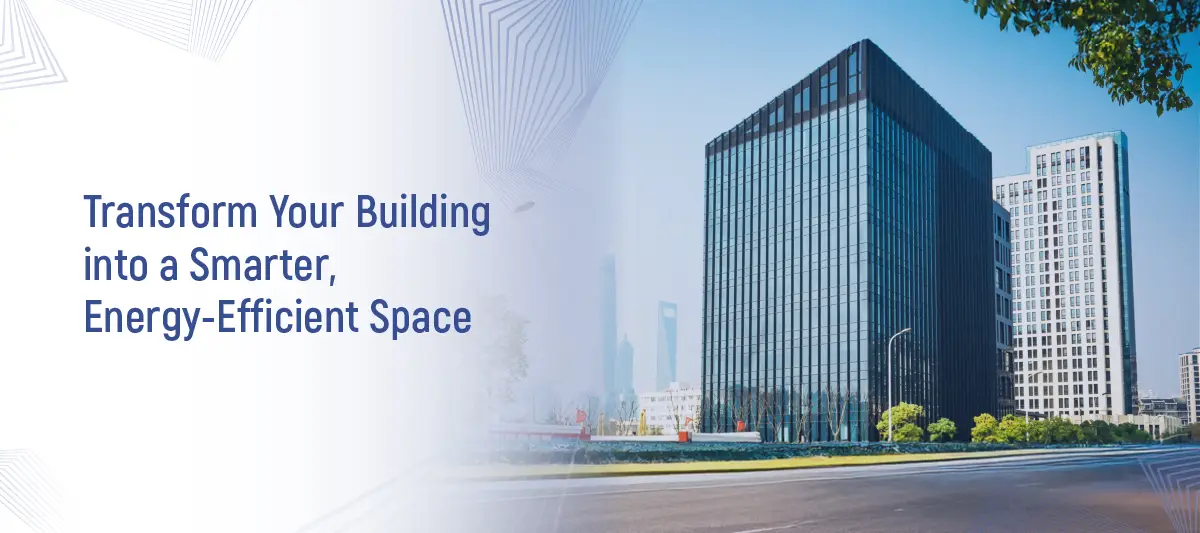
How Intelligent Building Environments Boost Energy Efficiency and Cut Operational Costs
Introduction
Modern buildings are evolving into intelligent environments that optimise operations through advanced automation and connected technologies. By combining building management systems (BMS), energy management solutions and IoT integration, these spaces enhance energy efficiency, reduce waste and improve operational performance. As energy-conscious design becomes the standard, adopting smart building strategies is no longer optional; it’s essential.
Messung BACD offers a comprehensive portfolio of technologies, including BACnet/IP controllers, VAV controllers and Resense™ Move, enabling the creation of energy-efficient, sustainable commercial buildings.
Understanding Intelligent Building Environments
Intelligent building environments are equipped with systems that enable real-time monitoring, control and optimisation of key building operations such as HVAC, lighting, security and utilities.
Through IoT sensors, predictive maintenance and data-driven automation, these spaces adapt dynamically to occupancy and environmental conditions while optimising energy consumption.
The defining feature of intelligent buildings is the integration of multiple systems into a unified platform, providing centralised control and operational visibility. With automation technologies like smart lighting and HVAC management, energy use, security and comfort are optimised seamlessly.
Enhancing Energy Efficiency
Intelligent buildings significantly improve energy efficiency by automating systems to respond to real-time needs:
- Smart Lighting: Automatically adjusts based on occupancy and daylight levels to minimise wasted electricity.
- HVAC Automation: Heating, cooling and ventilation respond to occupancy and external conditions, preventing unnecessary energy use in vacant spaces.
- Energy Management Systems (EMS): Monitor and optimise energy consumption across all systems, providing actionable insights for continuous improvement.
Overcoming Implementation Challenges
While intelligent building environments offer substantial benefits, challenges exist:
- Legacy System Integration: Older infrastructure may not be compatible with modern BMS and IoT devices. Using multi-protocol gateways (e.g., Messung BACD BACnet controllers) allows seamless integration across protocols like BACnet MSTP/IP, Modbus, M-Bus, MQTT, REST API.
- Cybersecurity: Interconnected systems increase exposure to cyber threats. Implementing strong security measures protects building data and operational integrity.
Reducing Operational Costs
Intelligent buildings contribute to cost savings in several ways:
- Automation: Reduces manual intervention, lowers labour costs and ensures consistent operations.
- Predictive Maintenance: Monitors equipment health, anticipating failures and scheduling proactive maintenance, reducing emergency repair costs and extending equipment life.
- Optimised Resource Usage: IoT devices monitor occupancy and environmental conditions, ensuring energy and resources are used only when necessary.
Through these measures, businesses can achieve significant savings on energy bills and operational expenses.
Key Benefits
Adopting intelligent building environments delivers multiple advantages:
- Lower Operating Costs: Optimised energy use reduces utility expenses.
- Sustainability: Reduces carbon footprint and aligns with green building standards.
- Enhanced Occupant Comfort: Systems automatically adjust lighting, temperature, and ventilation.
- Increased Property Value: Energy-efficient buildings attract tenants and investors, enhancing rental potential and asset value.
How Building Automation Systems Optimise Operations
Smart BMS platforms act as the central nervous system for intelligent buildings:
- Automation: Ensures building systems operate efficiently and only when needed, boosting energy savings and operational performance.
- Remote Monitoring: Facility managers can track operations and make real-time adjustments from any location.
- Data-Driven Decisions: Actionable insights from system analytics identify inefficiencies and enable continuous process optimisation.
The Future of Intelligent Building Environments
Looking forward, intelligent buildings will increasingly leverage:
- AI and Predictive Analytics: Anticipates building needs for further optimisation of HVAC and lighting systems.
- Digital Twins and Autonomous Control: Virtual models allow self-regulation based on occupancy, weather and energy consumption.
- Cloud-Based Platforms: Enhanced security, scalability and analytics for more efficient building operations.
These advancements will continue to improve energy efficiency, cost-effectiveness and building intelligence, supporting sustainable and high-performing operations.
Conclusion
Intelligent building environments are critical for achieving energy efficiency, reducing operational costs and improving occupant comfort. By integrating BMS platforms, IoT devices, predictive maintenance and automation technologies, businesses can create adaptive, sustainable and cost-effective spaces.
Messung BACD’s solutions empower organisations to transform their buildings into connected, intelligent environments that are optimised for performance, efficiency and sustainability.