
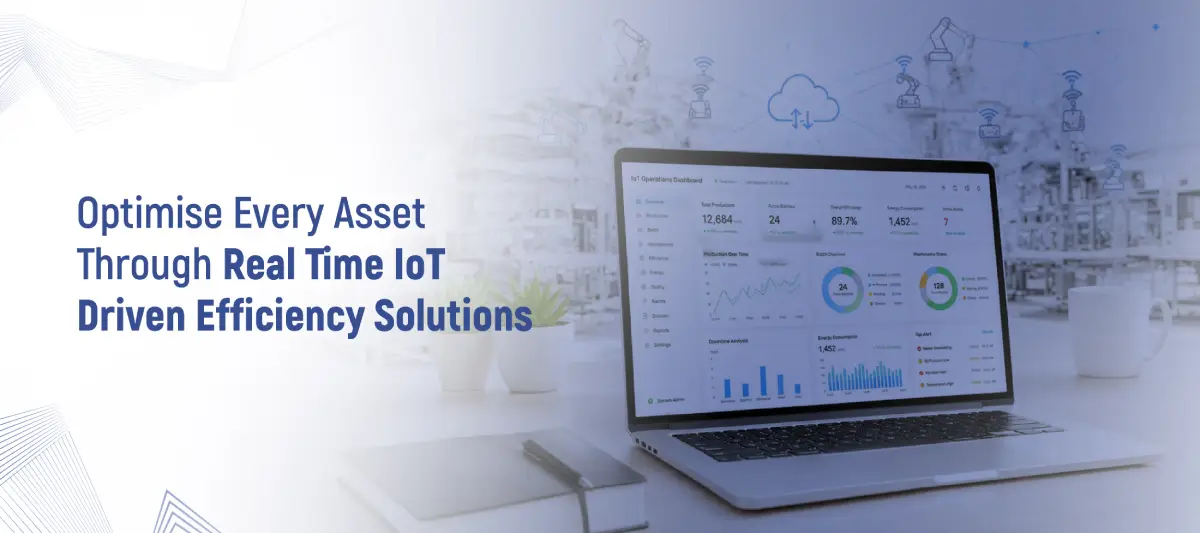
How Smart Building Technologies Enhance Energy Efficiency and Cut Operational Costs in Modern Buildings
Introduction
In today’s rapidly evolving urban landscape, smart building technologies are revolutionising the way buildings operate. By integrating advanced building automation systems (BMS), energy management systems (EMS), and IoT technologies, smart buildings optimise energy use, minimise waste and improve operational efficiency. As buildings become more complex and energy-conscious, adopting these solutions is no longer a trend; it’s a necessity.
At Messung BACD, we are leading the way in creating energy-efficient, sustainable commercial buildings through our range of smart building solutions, including BACnet/IP controllers, VAV controllers and Resense™ Move technologies.
What Are Smart Spaces?
Smart spaces are environments equipped with technologies that enable real-time monitoring, control and optimisation of building systems such as HVAC, lighting, security and more. These spaces leverage IoT sensors, predictive maintenance and automation to create adaptable environments that optimise energy use while responding to the needs of the building’s occupants.
What sets smart spaces apart is their ability to integrate multiple systems into a unified ecosystem, providing centralised control and visibility over all operations. With technologies like smart lighting and HVAC automation, these spaces enable seamless management of energy, security,and occupant comfort, ensuring everything runs efficiently.
How Smart Spaces Enhance Energy Efficiency
One of the primary benefits of smart spaces is their ability to significantly boost energy efficiency. Through energy-saving solutions, smart lighting and HVAC automation, buildings can maintain optimal comfort while lowering energy consumption.
- Smart Lighting: These systems automatically adjust lighting brightness based on occupancy and available natural light, ensuring energy is only used when needed.
- HVAC Automation: By integrating HVAC systems with smart technologies, heating and cooling can be adjusted based on real-time occupancy data and external weather conditions. This prevents wasted energy in unoccupied areas.
- Energy Management Systems (EMS): EMS tools monitor and control energy use across multiple building systems, enabling facility managers to optimise energy consumption without compromising comfort. Over time, data collected by these systems refines energy usage, further enhancing efficiency.
Challenges in Implementing Smart Spaces and How to Overcome Them
While the potential benefits of smart spaces are vast, implementation can present some challenges:
- Integration with Legacy Systems: Many buildings still operate with older systems that may not be compatible with modern IoT or BMS technologies. The solution lies in using multi-protocol gateways like Messung BACD’s BACnet controllers, which enable seamless integration of both legacy and modern systems by supporting various protocols such as BACnet (MSTP/IP), MODBUS, M-BUS, MQTT, and REST API.
- Cybersecurity Risks: As building systems become more interconnected, the risk of cyber threats increases. Ensuring robust cybersecurity measures is crucial to protect sensitive building data and systems.
Reducing Operational Costs with Smart Spaces
Beyond energy savings, smart spaces also contribute significantly to reducing operational costs.
- Automation: Integrated BMS systems automate key building functions like HVAC, lighting, and security, reducing the need for manual intervention and cutting down labour costs.
- Predictive Maintenance: Smart spaces equipped with predictive maintenance technologies can anticipate when equipment is likely to fail and schedule maintenance ahead of time, saving emergency repairs and extending the lifespan of critical systems.
- Optimised Resource Usage: By integrating IoT devices that monitor real-time occupancy and environmental conditions, smart spaces only use resources when necessary. For example, HVAC systems will not run in empty rooms and lighting adjusts based on occupancy levels.
These measures reduce energy waste and labour costs, resulting in substantial savings for businesses and building owners.
Key Benefits of Energy Efficiency in Smart Spaces
The energy efficiency of smart spaces offers multiple advantages for building owners, tenants and the environment, including:
- Reduced Operating Expenses: By optimising energy use, smart spaces significantly lower utility costs.
- Sustainability: These buildings contribute to sustainability goals by reducing carbon footprints and complying with green building standards.
- Enhanced Occupant Comfort: Smart systems automatically adjust the environment for optimal comfort, including temperature, lighting and air quality.
- Increased Building Value: Energy-efficient buildings are more attractive to tenants and investors, increasing property value and rental rates.
How Smart Building Automation Systems Optimise Operations
Smart Building Management Systems (BMS) are the backbone of every smart space. They integrate various building systems such as HVAC and lighting into a single platform, allowing for centralised control and monitoring.
- Automation: Automation ensures building systems operate only when needed, leading to energy savings, enhanced comfort, and increased operational efficiency.
- Remote Monitoring and Control: Facility managers can monitor building operations remotely and make real-time adjustments, ensuring optimal conditions even when not on-site.
- Data-Driven Insights: Smart systems provide valuable data to identify inefficiencies, optimise processes and further reduce operational costs.
The Future of Smart Spaces: Advancements in Energy Efficiency
The future of smart spaces looks even brighter with continued advancements in AI, machine learning and IoT technologies:
- AI and Predictive Analytics: These technologies will help buildings not only respond to real-time data but anticipate needs before they arise, enabling further optimisation of HVAC and lighting systems.
- Digital Twins and Autonomous Systems: Buildings will use virtual representations of their physical systems to self-regulate based on occupancy patterns, weather conditions, and energy usage, reducing human intervention.
- Cloud Platforms: Enhanced cloud-based platforms will provide improved data security, transparency and scalability, allowing buildings to operate more safely and efficiently.
Conclusion
As smart spaces evolve, they are becoming essential for reducing energy consumption, operational costs and improving occupant comfort and sustainability. Advanced building automation systems and energy management solutions like those offered by Messung BACD pave the way toward these goals. By integrating IoT devices, predictive maintenance, smart lighting and HVAC systems, businesses can create efficient, sustainable and cost-effective spaces.
In 2025 and beyond, adopting smart space solutions is not just an option but a necessity for forward-thinking businesses looking to stay ahead of the competition while promoting sustainability and efficiency.